India’s own superfruits
India never ran short of superfruits.
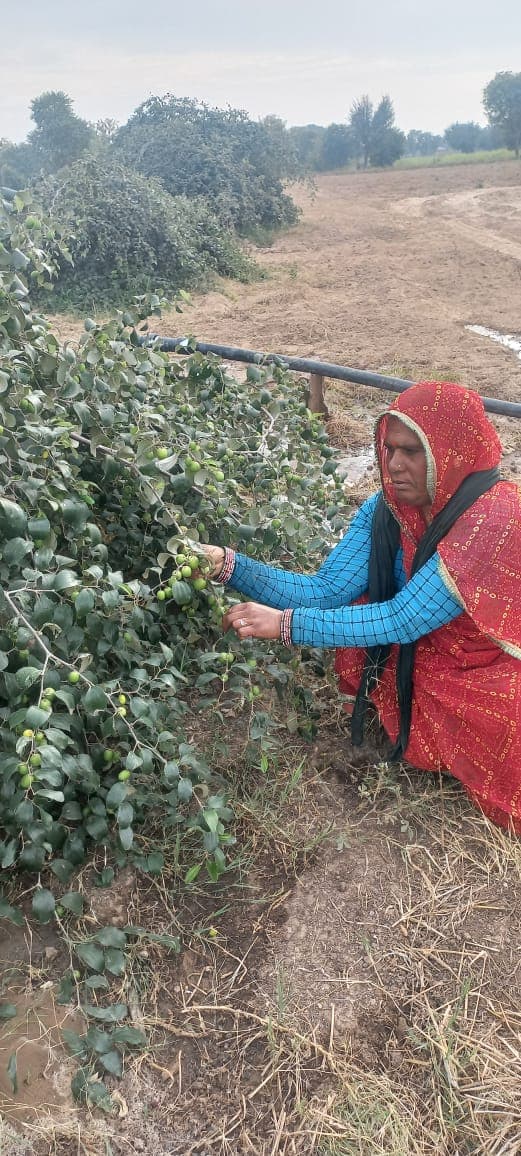
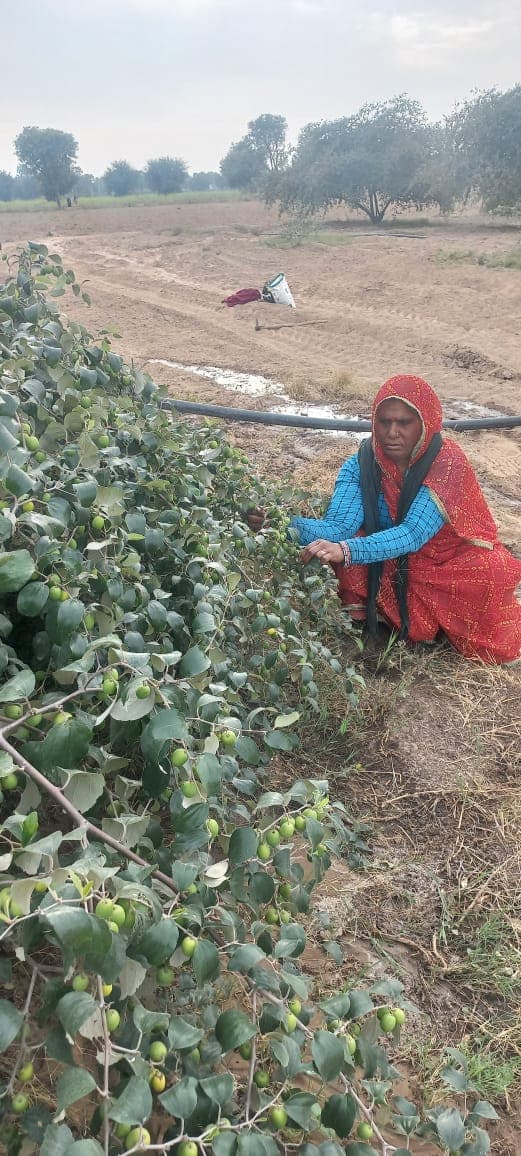
A blueberry reaches an Indian shelf in a labelled punnet, all year, with recipes and a reason to buy it. A ber reaches the same city loose, by the kilo, for a few weeks in winter, if it reaches it at all.
The difference is mostly not in the fruit. It is in everything that was built around it.
India’s own ImportedSwipe →
Not a contest. Blueberries and cranberries are good fruit. Each of these has its own profile, and none is “best” at everything. The question is why three of them have had decades of research, branding and cold chains behind them, and the rest have had almost none.
What was missingThe fruit was always here. The market around it wasn’t.
Abrosaa starts with ber and works on each gap in turn. Jamun, kaitha, mulberry and karonda are next on the list.
Processing
A fruit that keeps for days can't reach a city shop.
We dry, pulp and bottle ber in Jhansi, so it keeps for months.
Products
Nobody buys "fresh ber" online. They buy a jam, a snack, a gift.
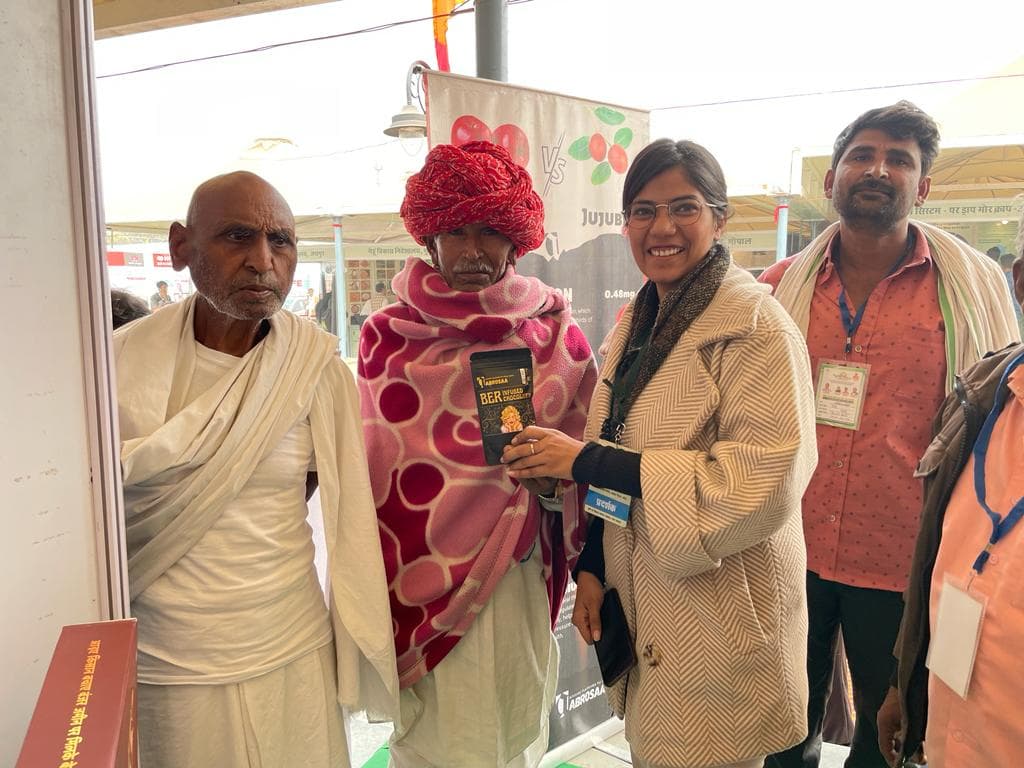
Jam, juice, chocolate, chatkara and fruit rolls, built in our own kitchen.
Market access
Growers sell into a local mandi on the day they pick.
We buy their harvest and take it to homes and offices across India.
Branding
Imported berries arrive with a name, a label and a reason to buy.
Ber gets a pack worth keeping and a story worth telling.
Awareness
A city child can name a blueberry and not a ber.
We put the fruit, and the facts about it, in front of people.
+Where these numbers come from
- USDA FoodData Central, SR Legacy: blueberries, raw (FDC 171711); cranberries, raw (FDC 171722); mulberries, raw (FDC 169913). Source
- Sishu, Das & Selvaraj (2023). Indian jujube: a potential fruit tree to improve the livelihood. Saudi Journal of Biological Sciences 30(9), 103769. Table 3 (minerals per 100 g edible portion); sections on drought and salinity tolerance. Source
- Krishna & Parashar (2013). Phytochemical constituents and antioxidant activities of some Indian jujube cultivars. Journal of Food Biochemistry 37(5), 571–577. 28 varieties: vitamin C 47.81–160.12 mg/100 g; total phenolics 48.69–196.34 mg/100 g. Source
- Koley et al. (2016). Antioxidant activity and phenolic content in genotypes of Indian jujube. Arabian Journal of Chemistry 9, S1044–S1052. 12 cultivars: vitamin C 19.54–99.49 mg/100 g; total phenolics 172–328.6 mg GAE/100 g. Source
- ICAR technical bulletin on jamun (Syzygium cumini): vitamin C 10.70–29.52 mg/100 g across accessions. Source
- ICAR, Indian Horticulture (wood apple review) and PROSEA: wood apple pulp per 100 g — protein about 7–8 g, calcium about 130 mg, vitamin C about 2–3 mg. Source
Figures are for fresh fruit, per 100 g, unless stated. They vary with variety, ripeness and season, and they change when fruit is cooked or dried, so they do not describe our finished products; each pack carries its own label. This is food information, not medical advice.