
Loading…
Abrosaa is a food company in Jhansi. It works with a fruit most of India grew up eating and then stopped seeing: ber.
Chapter one
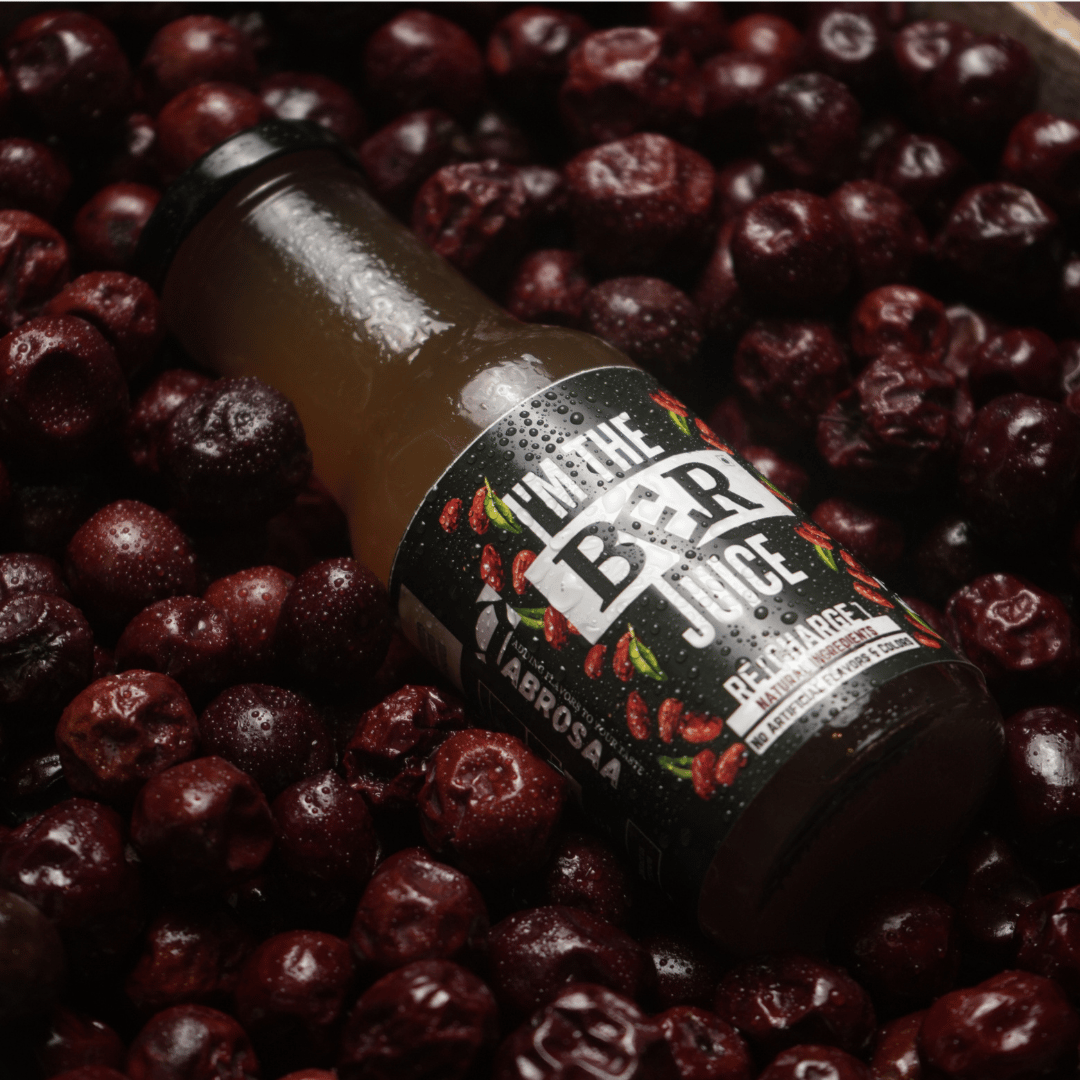
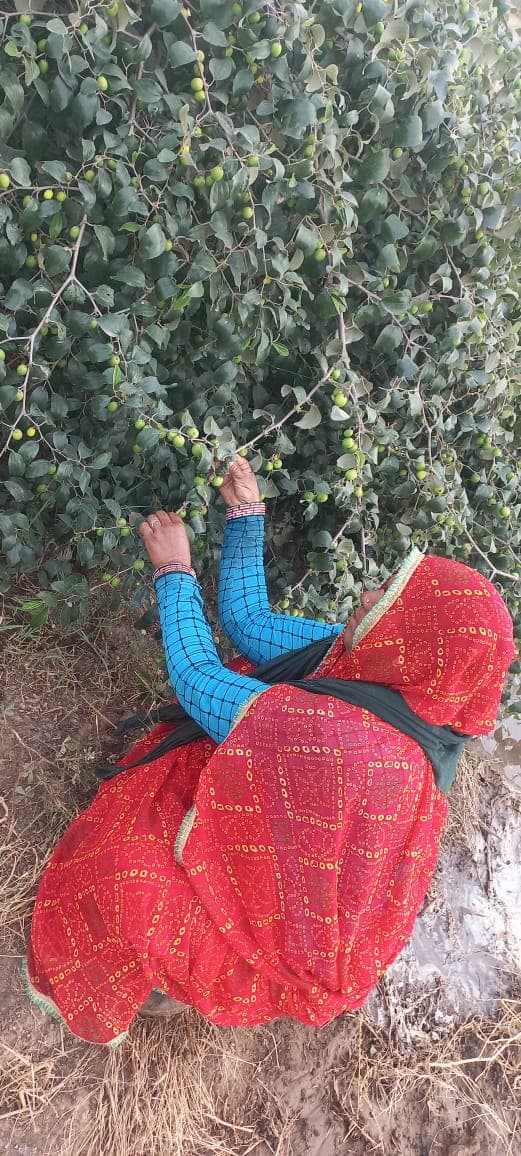
Ber is small, khatta-meetha and sold from a thela in winter. It is green and crisp early in the season, golden-red when it ripens and dark and chewy once it has dried in the sun.
It is also old. Shabari offers ber to Ram in the Ramayana, and it still turns up on temple steps around Shivratri. Few fruits in India come with that much memory attached.
Chapter two
Ber bruises easily and keeps for only a few days. Without anyone drying it, pulping it or bottling it, much of the crop could not travel further than the nearest mandi.
So the fruit stayed in the fields, growers were left without enough buyers, and a generation grew up in cities without tasting it.
Chapter three
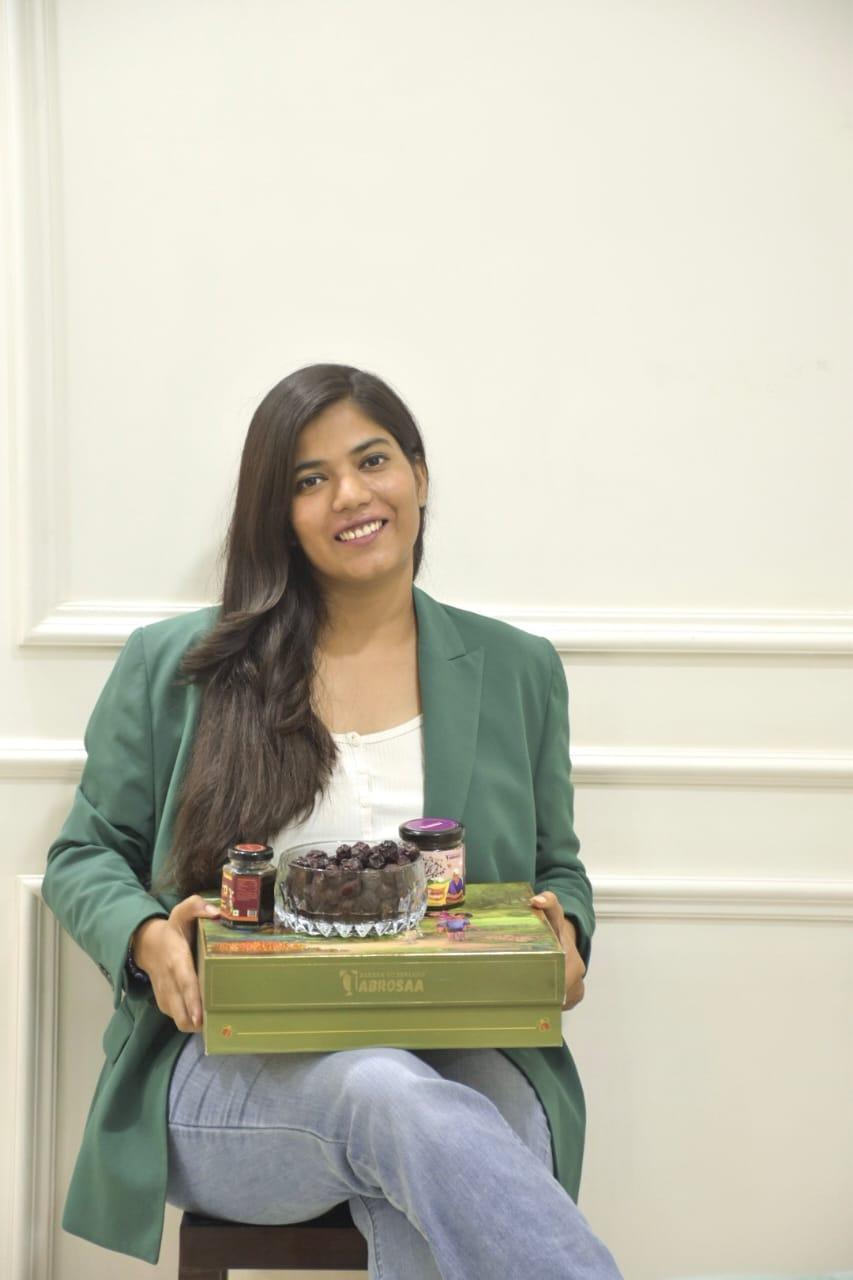
Shivani Bundela, food technologist, Jhansi
Shivani worked in food factories before she started her own: the Horlicks line at GSK, Puratos in Mumbai, Veetee Fine Foods in Sonipat. She is trained as a new-product developer and as a food-safety lead auditor.
Her research at Rani Lakshmi Bai Central Agricultural University, Jhansi, was on India’s own fruits. Ber is where she started: it grows across Bundelkhand, and very little of it was being processed.
She came home and started making things with it.
Chapter four
The company is Bundelkhand Agro Innovations Private Limited, registered in Jhansi on 03 November 2021. Abrosaa is the name on the jar. What it does comes down to three verbs.
Ber trees are planted on dry land with farmers and the Horticulture Department in Jhansi. A ber tree needs little water and no pampering.
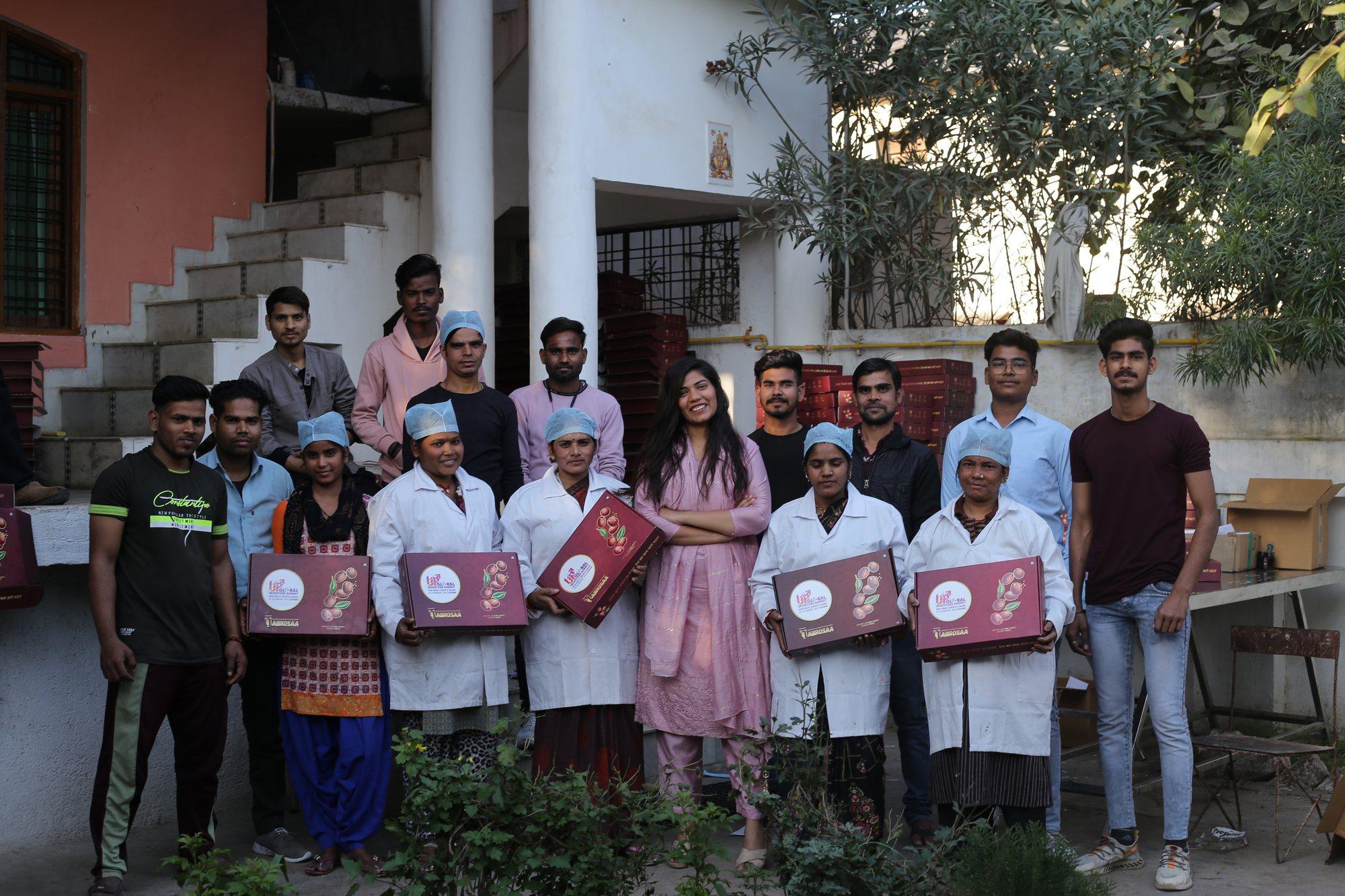
We buy the harvest and process it in Jhansi: pulped for jam and juice, dried for snacks, folded into chocolate. More than fifteen ber products have come out of the kitchen so far.
Four of them are on the shop today. The rest go into gift boxes, or wait their turn.
Chapter five
A fruit from a thela in Bundelkhand has travelled further than anyone expected. So far it has been part of:
What comes next
On the list after it: jamun, kaitha (wood apple), mulberry, karonda, mahua. The aim, in Shivani’s words, is to make India the superfruit capital of the world. We are starting with one tree.